Exchange Liquidity Indicators and Form Reversals in Multi-Sport Betting Markets
Written by Greta Peters · Nov 13, 2026
Exchange Liquidity Indicators and Form Reversals in Multi-Sport Betting Markets
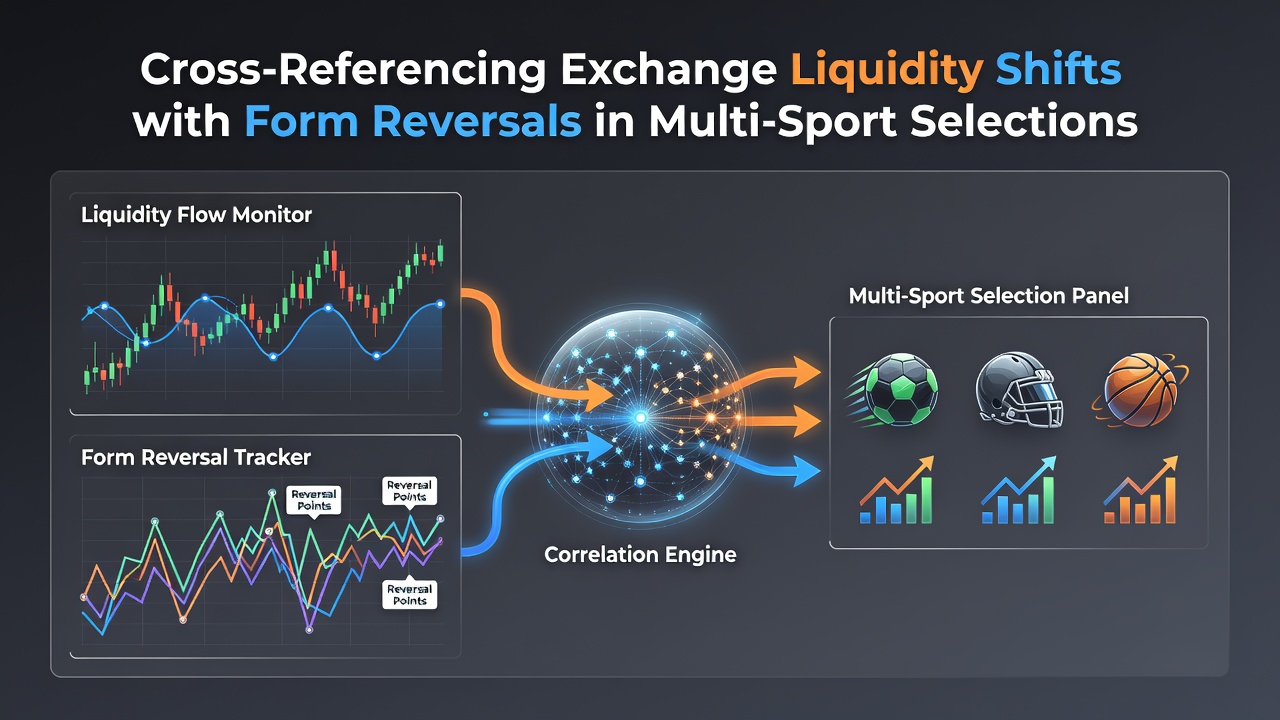
Betting exchanges display real-time liquidity data that traders monitor for volume spikes and order book imbalances while form reversals in soccer and horse racing provide statistical turning points that analysts track separately yet observers increasingly examine together in multi-sport selections. Data from platforms shows liquidity shifts often precede or coincide with performance changes across different sports and this correlation gains attention in November 2026 as operators release updated market reports.
Liquidity Patterns on Exchanges
Exchange operators record matched volumes and unmatched orders that shift when large stakes enter specific outcomes and researchers note these movements can signal informed activity before public odds adjust fully. In soccer markets liquidity concentrates around popular leagues during peak fixtures whereas horse racing sees rapid changes near post time when late money targets certain runners and analysts cross-check these patterns against historical datasets to identify repeatable signals.
Form Reversal Metrics in Individual Sports
Performance data from governing bodies and statistical services reveal that teams or horses displaying sudden improvements after poor runs often follow identifiable sequences such as changes in training routines or jockey switches and similar patterns appear in reverse when favorites underperform. Observers compile reversal rates from league tables and race results and these figures indicate that multi-sport accumulators benefit when selections incorporate both high-liquidity exchange cues and verified form shifts rather than isolated metrics.
Combining Data Across Sports
Multi-sport selections combine soccer matches with thoroughbred races and liquidity on exchanges for these combined bets moves when participants adjust stakes across correlated markets. Studies from the Victorian Responsible Gambling Foundation document how volume surges in one sport sometimes align with form data from another and this alignment allows systematic review of selections that span different event types. In November 2026 exchange records show increased activity in hybrid pools where liquidity depth changes coincide with documented reversals in both football results and racing outcomes.
Analytical Approaches Used by Market Participants
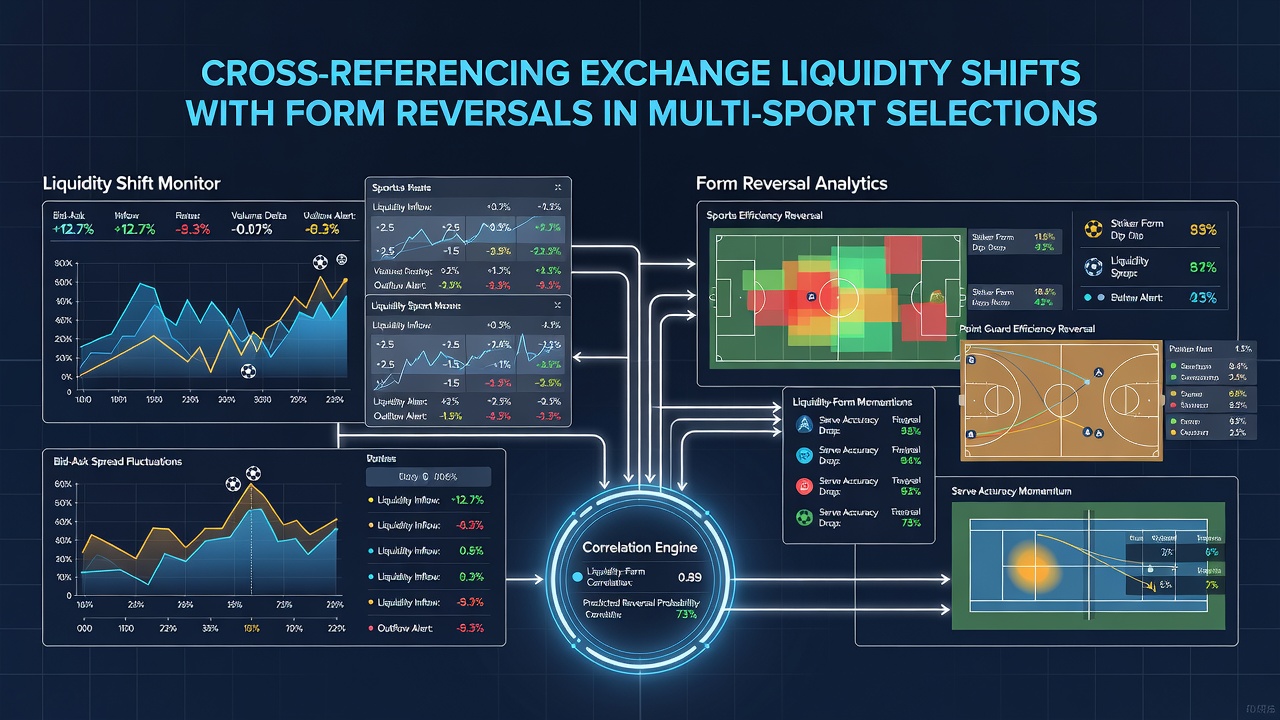
Analysts apply filtering techniques that flag liquidity thresholds alongside reversal indicators and these methods process large datasets from multiple exchanges and sports databases simultaneously. One documented case involved a midweek soccer fixture paired with an evening race meeting where early liquidity contraction in the football market preceded a late reversal in the racing selection and subsequent matched volumes confirmed the combined movement. Such examples appear in industry reviews that aggregate exchange feeds with official result archives without relying on subjective interpretation.
Data Sources and Reporting Standards
Government agencies and academic groups publish aggregated figures on market activity and performance statistics that support objective analysis of these correlations. Reports from the Gambling Research Exchange Ontario outline volume patterns across betting products while university-led examinations of race and match data supply reversal frequencies that remain consistent across seasons. Observers integrate these public datasets into models that test liquidity-form pairings over extended periods and the resulting outputs appear in regulatory summaries issued during late 2026.
Practical Implementation in Selections
Market participants construct selections by setting liquidity parameters that trigger alerts when order book changes exceed defined levels and then overlay form reversal filters drawn from verified performance histories. This dual-check process operates across time zones because soccer fixtures and racing meetings occur at different hours and the approach yields structured outputs that reflect measurable inputs rather than isolated judgments. Records from exchanges indicate that selections incorporating both elements maintain consistent tracking against benchmark accumulators that use single-sport data alone.
Conclusion
Exchange liquidity data and form reversal statistics supply separate yet combinable inputs for multi-sport selections and cross-referencing these elements follows documented patterns reported by regulatory bodies and research organizations. In November 2026 the availability of granular exchange feeds alongside standardized sports performance archives supports continued examination of these correlations through objective analytical frameworks.